Hospital News
Blocked Fallopian Tubes: Causes, Symptoms, Diagnosis and Treatment Options for Getting Pregnant
Hospital news and updates from Sikyomu Doctors Hospital.
Back to Blog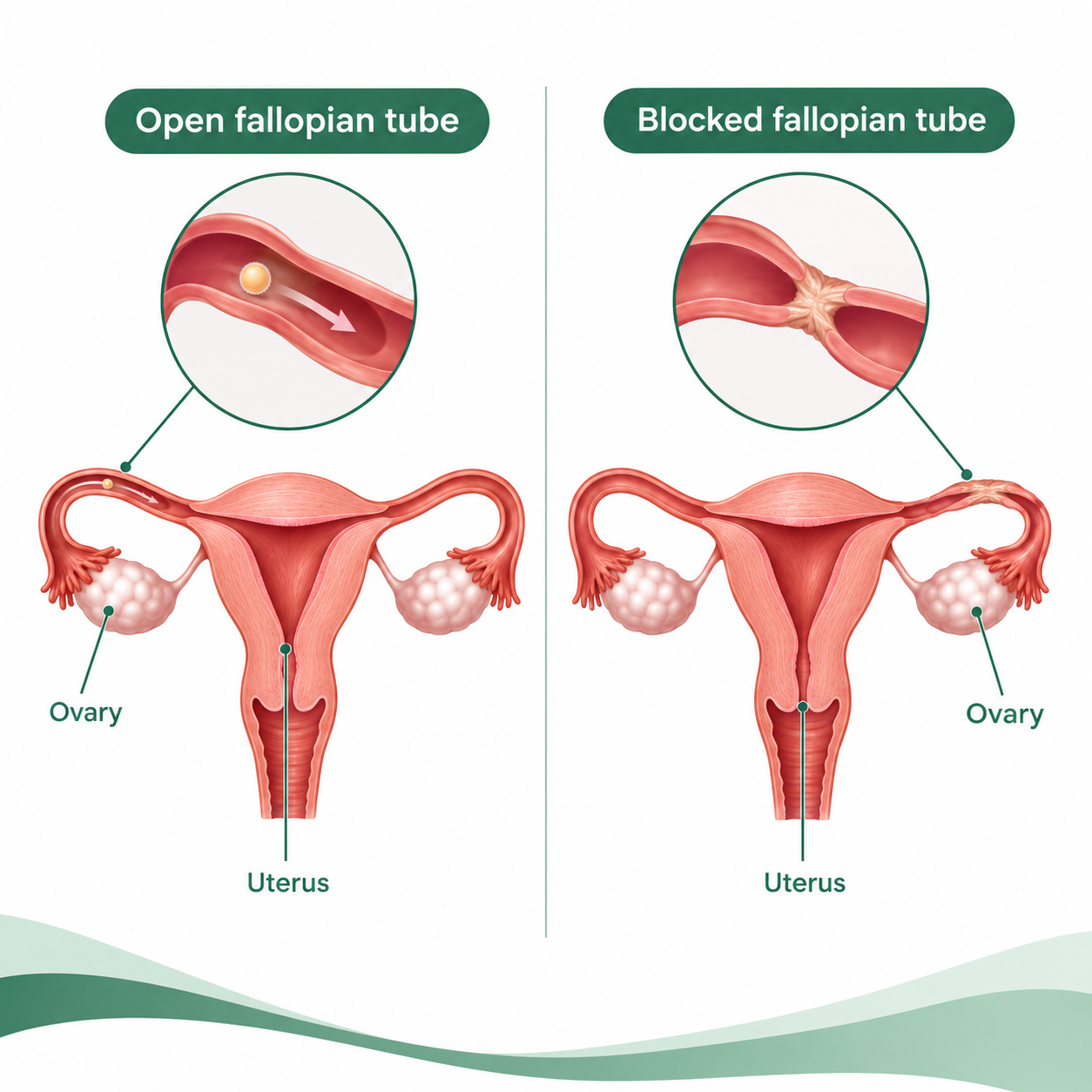
16 October 2026
Last updated 16 October 2026
Blocked Fallopian Tubes: Causes, Symptoms, Diagnosis and Treatment Options for Getting Pregnant
Sikyomu Doctors Hospital | Women's Health & Fertility Education
Are you trying to conceive without success? Have you been told that your fallopian tubes are blocked? Learn about the causes, symptoms, tests, available treatments and steps you can take towards achieving a pregnancy.
Introduction
For many women and couples, the journey to parenthood can be emotional and challenging, particularly when pregnancy does not happen as expected. One possible cause of difficulty conceiving is blocked or damaged fallopian tubes.
The fallopian tubes play an essential role in natural conception. They allow the egg released by an ovary to meet sperm, provide the environment in which fertilisation commonly occurs, and help transport the resulting embryo towards the uterus.
When one or both tubes become blocked or damaged, these processes may be disrupted. However, a diagnosis of blocked fallopian tubes does not automatically mean that pregnancy is impossible. The chances of conceiving and the most appropriate treatment depend on the location and severity of the blockage, the condition of the remaining reproductive organs, the woman's age and other fertility factors.
At Sikyomu Doctors Hospital, we encourage women and couples experiencing difficulty conceiving to seek a proper medical assessment. Understanding the cause is an important first step towards making informed decisions about fertility care.
What are fallopian tubes?
Fallopian tubes are two narrow tubes in the female reproductive system. One extends from the area of each ovary towards the uterus.
Every month, during ovulation, an ovary releases an egg. The end of the nearby fallopian tube helps collect the egg, and tiny hair-like structures and muscular movements help move it along the tube.
If sperm reaches the egg, fertilisation commonly occurs inside the fallopian tube. The early embryo then travels towards the uterus, where it may implant and continue developing.
When a tube is blocked, severely narrowed or damaged, the egg and sperm may not meet, or the fertilised egg may not travel normally towards the uterus.
What happens when a fallopian tube is blocked?
A blockage may be partial or complete. It may affect one tube or both tubes, and it can occur near the uterus or near the ovary.
• One blocked tube:
Natural pregnancy may still be possible if the other tube is healthy and other fertility factors are favourable.
• Both tubes completely blocked:
Natural conception is generally prevented because sperm and the egg cannot meet through the usual route.
• Damaged but open tubes:
Pregnancy may still occur, but the tubes may not transport an embryo normally, increasing the risk of an ectopic pregnancy.
A tube may also become swollen and filled with fluid, a condition known as hydrosalpinx. This can affect fertility and may influence the outcome of fertility treatment.
What causes blocked fallopian tubes?
Blocked fallopian tubes usually result from inflammation, infection, scar tissue or damage to the reproductive organs. Some women may have more than one contributing factor.
1. Pelvic inflammatory disease (PID)
Pelvic inflammatory disease is an infection involving the upper female reproductive tract, including the uterus, fallopian tubes and sometimes the ovaries.
It may be associated with sexually transmitted infections such as chlamydia or gonorrhoea. Some infections cause few noticeable symptoms, meaning a woman may not realise that damage is occurring.
Inflammation can lead to scarring inside or around the fallopian tubes. Even after an infection has been treated, existing scar tissue may remain.
2. Previous sexually transmitted infections
Untreated or inadequately treated sexually transmitted infections can cause reproductive tract inflammation and tubal damage.
Having an STI does not mean that a woman will necessarily develop blocked tubes. However, early testing and appropriate treatment are important for protecting reproductive health.
3. Endometriosis
Endometriosis occurs when tissue similar to the lining of the uterus grows outside the uterus. It may affect the ovaries, fallopian tubes and surrounding pelvic structures.
The resulting inflammation, adhesions and scarring can interfere with the movement of the egg or distort the normal relationship between the ovaries and tubes.
4. Previous pelvic or abdominal surgery
Operations involving the pelvis or abdomen may sometimes lead to adhesions, which are bands of scar tissue that cause organs or tissues to stick together.
Depending on their location, adhesions may surround the fallopian tubes, restrict their movement or contribute to obstruction.
5. Previous ectopic pregnancy
An ectopic pregnancy occurs when a fertilised egg implants outside the uterus, most commonly inside a fallopian tube.
The pregnancy and its treatment may leave the affected tube damaged or scarred. A history of ectopic pregnancy also increases the importance of early assessment in a future pregnancy.
6. Hydrosalpinx
Hydrosalpinx develops when a fallopian tube becomes blocked, usually near its outer end, and fills with fluid.
It can occur following previous infection, inflammation or surgery. Hydrosalpinx may reduce fertility and can negatively affect IVF outcomes if left untreated.
7. Fibroids and other pelvic conditions
Some uterine fibroids, particularly those near the openings of the fallopian tubes, may interfere with the normal passage between the uterus and tubes.
Other pelvic conditions may cause pressure, distortion or adhesions that affect tubal function.
8. Previous tubal ligation
Tubal ligation is a procedure intended to prevent pregnancy by blocking, cutting or sealing the fallopian tubes.
Some women later wish to conceive again. Depending on the original procedure and the remaining tubal tissue, surgical reversal may be considered. However, reversal is not always possible or successful, and IVF may be an alternative.
9. Congenital abnormalities
Some women are born with abnormalities affecting the development or structure of their fallopian tubes. These are less common causes of tubal infertility.
What are the symptoms of blocked fallopian tubes?
One of the most important things to understand is that blocked fallopian tubes often cause no obvious symptoms.
A woman may have regular menstrual periods, no pelvic pain and no unusual discharge while still having a tubal blockage.
Possible symptoms depend largely on the underlying cause.
These may include:
• Difficulty becoming pregnant despite regular unprotected intercourse.
• Persistent or recurring pelvic or lower abdominal pain.
• Pain during sexual intercourse.
• Unusual vaginal discharge, particularly when infection is present.
• Fever or pelvic tenderness during an active infection.
• Menstrual or pelvic symptoms associated with endometriosis or another underlying condition.
These symptoms do not prove that the fallopian tubes are blocked. Other conditions can cause similar problems, and some women with blocked tubes experience none of them.
If you have pelvic pain, unusual discharge or difficulty conceiving, a medical assessment can help identify the cause.
Can blocked fallopian tubes cause infertility?
Yes. Blocked or damaged fallopian tubes are an important possible cause of female infertility.
When a tube is completely blocked, sperm may not be able to reach the egg, or the egg may be unable to travel through the affected tube. If both tubes are completely blocked, natural conception is generally not possible unless the blockage is successfully treated or another fertility approach is used.
However, infertility is not always caused by the fallopian tubes alone.
Other factors may include:
• Problems with ovulation.
• Reduced ovarian reserve or age-related fertility changes.
• Conditions affecting the uterus.
• Endometriosis.
• Low sperm count or reduced sperm movement.
• More than one fertility factor affecting the couple.
For this reason, fertility assessment should consider both partners whenever appropriate rather than assuming that the woman is the only person who needs investigation.
How are blocked fallopian tubes diagnosed?
A healthcare professional may recommend one or more investigations based on your medical history, symptoms, previous operations, infection history and pregnancy goals.
1. Hysterosalpingography (HSG)
HSG is an X-ray examination used to assess the shape of the uterus and whether the fallopian tubes appear open.
During the procedure, a healthcare professional introduces contrast dye through the cervix into the uterus. X-ray images show how the dye moves through the reproductive tract.
If the dye passes through the tubes and spills out at their ends, this generally indicates that they are open. If the dye does not pass through a tube as expected, a blockage may be suspected.
What should you know before an HSG?
• The test is usually scheduled during the first half of the menstrual cycle, after menstruation and before ovulation.
• Pregnancy must be excluded before the examination.
• It should not be performed in the presence of an active pelvic infection.
• Some women experience temporary cramping, spotting or dizziness.
• Rare complications include infection, injury or an allergic reaction to the contrast agent.
An HSG result is not always definitive. Temporary muscle spasm near the uterine end of a tube, among other factors, can make an open tube appear blocked. Your doctor may recommend further assessment before deciding on treatment.
2. Ultrasound examination
Pelvic ultrasound helps assess the uterus, ovaries and surrounding structures. It may identify findings such as a hydrosalpinx or other abnormalities that could affect fertility.
A routine ultrasound does not reliably exclude every fallopian tube blockage. Specialised ultrasound techniques using fluid or contrast may be used in selected cases to assess tubal patency.
3. Laparoscopy with dye testing
Laparoscopy is a surgical procedure in which a small camera is inserted through a small abdominal incision to examine the pelvic organs.
In selected cases, dye can be introduced through the cervix while the surgeon observes whether it passes through the fallopian tubes. This is known as chromopertubation.
Laparoscopy may also identify endometriosis, adhesions or other pelvic abnormalities. Because it involves surgery and anaesthesia, it is not necessary for every woman with suspected tubal blockage.
4. Other fertility investigations
Depending on your circumstances, the fertility assessment may include:
• Medical history and physical examination.
• Assessment of ovulation and menstrual patterns.
• Blood tests when clinically indicated.
• Ultrasound assessment of the uterus and ovaries.
• Semen analysis for the male partner.
• Additional tests based on suspected underlying conditions.
The purpose of these investigations is to identify the relevant fertility factors and guide an appropriate treatment plan.
What treatment options are available for blocked fallopian tubes?
There is no single treatment that is suitable for every type of tubal blockage. The recommended approach depends on where the blockage occurs, the amount of damage, whether one or both tubes are affected, age, ovarian reserve, sperm health and pregnancy goals.
1. Treatment of an active infection
If an active bacterial infection is identified, appropriate antibiotics may be necessary.
Treating an infection helps prevent further damage and protects overall reproductive health. However, antibiotics do not reliably remove established scar tissue or reopen a tube that has already been damaged.
Never take antibiotics or fertility medication without appropriate medical guidance.
2. Tubal cannulation
Tubal cannulation is a procedure that may be used for selected blockages close to the uterus.
A specialist guides a fine catheter, sometimes with a wire, through the cervix and uterus towards the opening of the affected tube to attempt to clear the obstruction.
This approach is not suitable for every blockage, particularly when there is extensive scarring or damage to the tube. Further evaluation is needed to determine whether it is appropriate.
3. Laparoscopic surgery
Laparoscopic surgery uses small incisions and a camera to treat certain pelvic conditions.
Depending on the findings, surgery may be used to release adhesions, treat endometriosis or repair selected tubal abnormalities.
The potential benefits must be balanced against surgical risks, the likelihood of successful repair, the possibility of the tube becoming blocked again and the risk of ectopic pregnancy.
4. Tubal surgery
Specific surgical procedures may be considered for certain types of tubal damage.
These may include:
• Adhesiolysis: Releasing scar tissue that is restricting the fallopian tubes or surrounding organs.
• Fimbrioplasty: Repairing damage involving the finger-like structures at the outer end of a fallopian tube.
• Neosalpingostomy: Creating an opening in the end of a tube in selected cases of distal blockage.
• Tubal reanastomosis: Reconnecting suitable sections of a fallopian tube, sometimes after previous sterilisation.
These procedures are specialised and are not appropriate for all patients. The chances of pregnancy depend on the condition of the tube, the extent of scarring and other fertility factors.
5. In vitro fertilisation (IVF)
IVF is a fertility treatment in which eggs are collected from the ovaries and fertilised with sperm in a laboratory. An embryo is then transferred into the uterus.
Because IVF bypasses the fallopian tubes, it may be an appropriate option for women whose tubes are severely damaged or completely blocked.
The decision to pursue IVF depends on several factors, including age, ovarian reserve, sperm health, the condition of the uterus, previous treatment and the patient's preferences.
If hydrosalpinx is present, a specialist may recommend treating the affected tube before IVF because fluid from the tube can reduce the likelihood of successful implantation.
Which treatment is best for you?
The most appropriate option is the one that offers a reasonable chance of achieving your pregnancy goals while taking your health, circumstances and preferences into account.
A procedure that works well for a minor blockage near the uterus may be unsuitable for extensive damage near the ovary. In other cases, IVF may offer a more appropriate route than surgery.
A personalised medical assessment is therefore essential before choosing treatment.
Can blocked fallopian tubes open naturally?
Some apparent blockages, particularly those caused by temporary muscle spasm during testing, may not represent a permanent physical obstruction.
However, established scarring and significant structural damage generally do not disappear on their own.
There is no reliable scientific evidence that herbal mixtures, vaginal steaming, abdominal massage, detox drinks or special diets can reopen a physically scarred fallopian tube.
Healthy nutrition and general wellbeing are important when preparing for pregnancy, but they should not replace appropriate fertility investigations or treatment.
If you have been told that your tubes are blocked, ask your healthcare professional to explain the test findings and whether the suspected blockage should be confirmed.
Can you get pregnant with one blocked fallopian tube?
Yes. Natural pregnancy may be possible when one tube is blocked and the other tube is healthy and functioning.
However, the likelihood of conception depends on more than whether one tube is open. Age, ovulation, sperm health, the location of the blockage and the condition of the remaining tube also matter.
A woman with one open tube may conceive naturally, but this is not guaranteed. A healthcare professional can help assess the factors affecting her individual chances.
Can you get pregnant if both fallopian tubes are blocked?
If both tubes are completely blocked, natural conception is generally not possible through the normal route.
However, pregnancy may still be possible with appropriate treatment. Depending on the type of blockage, options may include selected tubal procedures or IVF.
The first step is to establish whether both tubes are truly blocked, understand the location and extent of any damage, and assess the other factors affecting fertility.
A diagnosis should be treated as a reason to investigate suitable options rather than as a reason to give up hope.
Does blocked fallopian tubes affect menstruation?
Blocked fallopian tubes usually do not directly stop menstruation because menstrual bleeding is controlled by hormonal changes and the lining of the uterus.
Many women with blocked tubes continue to have regular periods.
However, the underlying condition causing the blockage, such as endometriosis or another pelvic disorder, may also cause painful periods or other menstrual changes.
Regular menstruation does not confirm that the fallopian tubes are open, just as irregular periods do not prove that they are blocked.
Can blocked fallopian tubes cause ectopic pregnancy?
Yes. Damaged or partially obstructed fallopian tubes can increase the risk of ectopic pregnancy.
An ectopic pregnancy occurs when a fertilised egg implants outside the uterus, most commonly in a fallopian tube. The tube cannot safely support the developing pregnancy, and rupture can cause life-threatening internal bleeding.
Seek urgent medical attention if you might be pregnant and experience:
• Severe or worsening abdominal or pelvic pain, particularly on one side.
• Vaginal bleeding with abdominal pain.
• Shoulder-tip pain.
• Dizziness, fainting or collapse.
Do not wait for a routine appointment if these symptoms occur. Ectopic pregnancy can be an emergency even when symptoms initially appear mild.
Women with a previous ectopic pregnancy or known tubal damage should discuss early pregnancy monitoring with their healthcare professional.
Frequently asked questions about blocked fallopian tubes
1. How do I know if my fallopian tubes are blocked?
You may have no symptoms at all. A fertility assessment and tests such as HSG can help establish whether the tubes appear open. A doctor may recommend additional investigations if the results are uncertain.
2. What is the main cause of blocked fallopian tubes?
Common causes include previous pelvic infections, inflammation, endometriosis and scar tissue following pelvic surgery. In some cases, the precise cause is not identified.
3. Can an ultrasound detect blocked fallopian tubes?
Ultrasound can identify some abnormalities, including fluid-filled tubes, but a routine pelvic ultrasound cannot reliably rule out all blockages. HSG or a specialised ultrasound test may be recommended to assess whether the tubes are open.
4. Is an HSG test painful?
Experiences vary. Some women feel mild cramping, while others experience more noticeable discomfort. Ask your healthcare professional about pain relief, preparation and what to expect during the procedure.
5. Can blocked fallopian tubes be treated without surgery?
Some patients may be candidates for tubal cannulation or other non-surgical approaches, depending on the location and type of blockage. Others may benefit from surgery or IVF. The appropriate option depends on the individual diagnosis.
6. Can medicine unblock fallopian tubes?
Medication may treat an active infection, but it cannot reliably remove established scar tissue or repair significant structural damage. Treatment should be based on the cause of the problem.
7. How long does it take to become pregnant after treatment?
There is no fixed timeline. Some women may conceive within a few months, while others may need further treatment. The outcome depends on the procedure, the extent of tubal damage, age and other fertility factors.
8. What are the chances of pregnancy after tubal surgery?
There is no single success rate that applies to every patient. Outcomes vary according to the type of surgery, the location and severity of the damage, age and other fertility factors. Your specialist should explain the expected benefits, limitations and risks of the proposed procedure.
9. Can blocked fallopian tubes happen without an STI?
Yes. Although pelvic infections are an important cause, tubal damage can also occur because of endometriosis, surgery, previous ectopic pregnancy and other conditions.
10. Can blocked fallopian tubes cause infertility even when periods are regular?
Yes. Menstruation and ovulation may continue normally despite a tubal blockage. Regular periods do not establish whether the fallopian tubes are open.
11. Should my partner also be tested?
Yes, when a couple is being assessed for difficulty conceiving, male fertility should also be considered. Semen analysis is commonly used to assess sperm count, movement and other characteristics.
12. When should I seek help for difficulty conceiving?
A fertility evaluation is generally recommended after 12 months of regular unprotected intercourse without pregnancy, or after six months if the woman is 35 or older. Women over 40, or those with known tubal disease, a previous ectopic pregnancy, significant endometriosis or other fertility concerns, should seek assessment sooner.
13. Does having blocked tubes mean I can never have a baby?
No. The outlook depends on the type and severity of the blockage and other fertility factors. Some women may be suitable for tubal treatment, while others may achieve pregnancy through IVF. An individual assessment can help clarify the available options.
14. Can blocked fallopian tubes reopen after an HSG?
An HSG may occasionally help clear minor debris or mucus in selected cases, but it should not be considered a dependable treatment for established tubal damage. Sometimes an apparent blockage is due to temporary spasm or technical factors. Your doctor can interpret the findings and advise whether repeat testing or another procedure is appropriate.
15. Does having one open tube mean I will definitely get pregnant?
No. One healthy, open tube can allow natural conception, but pregnancy also depends on ovulation, sperm health, age and other reproductive factors.
How can you protect your reproductive health?
Although not every cause of tubal damage can be prevented, there are steps you can take to reduce certain risks and seek help early.
• Seek prompt assessment and treatment for symptoms of pelvic infection.
• Consider appropriate STI testing and prevention.
• Attend recommended follow-up appointments after pelvic infections or surgery.
• Seek medical advice for persistent pelvic pain, unusual discharge or other concerning symptoms.
• Avoid unprescribed antibiotics and unproven fertility treatments.
• Seek fertility assessment early if you have known risk factors or a history of ectopic pregnancy.
• Discuss any previous tubal surgery and your future pregnancy plans with your healthcare professional.
These steps cannot guarantee that tubal disease will be prevented, but they can support timely diagnosis and appropriate care.
Why seek fertility assessment at Sikyomu Doctors Hospital?
Difficulty conceiving can be physically and emotionally demanding. Getting clear information about the possible causes and available treatment options can help you make informed decisions about your reproductive health.
At Sikyomu Doctors Hospital, our women's health and gynaecological services provide a point of care for women seeking medical advice about reproductive health and fertility concerns.
A consultation may help establish your medical history, identify relevant risk factors, determine which investigations are appropriate and discuss the next steps based on the findings.
Where specialised procedures or assisted reproductive treatments are needed, the care team can discuss suitable options and referral pathways according to your individual needs and the services available.
Your treatment plan should be based on a proper diagnosis, your pregnancy goals and a clear discussion of the potential benefits and risks.
Take the next step towards understanding your fertility
If you have been trying to conceive without success, have previously been diagnosed with blocked fallopian tubes or have concerns about your reproductive health, you do not have to navigate the process alone.
Seek a consultation to discuss your concerns and find out which investigations and treatment options may be appropriate for you.
Sikyomu Doctors Hospital
Quality, Affordable & Compassionate Healthcare.
Request an appointment with our women's health team to discuss your fertility concerns.
________________________________________
Medical disclaimer
This article is intended for general educational purposes and does not replace an individual medical consultation, diagnosis or treatment plan. Fertility investigations and treatments should be selected by a qualified healthcare professional after considering each patient's circumstances. Pregnancy with known or suspected tubal disease requires appropriate clinical guidance because of the increased risk of ectopic pregnancy.
Next step
Need information now?
Contact Client Care for questions about appointments, departments or hospital services.